Akagera National Park
What makes Akagera National Park distinct within Rwanda’s park system is that it offers the country’s only classic savannah game drive experience, a genuine contrast to Volcanoes’ gorilla trekking and Nyungwe’s rainforest primates. For travellers who want a complete Rwanda circuit, gorillas, chimpanzees, and Big Five game viewing, all within a single, compact country, Akagera is what makes that circuit possible.
Akagera suits travellers wanting a genuine Big Five safari experience as part of a broader Rwanda circuit, and those with a specific interest in conservation recovery stories: the park’s lion and rhino populations were both reintroduced within the past decade, lion in 2015 and black rhino in 2017, with a further seventy white rhinos relocated to the park in May 2026, making current wildlife density a genuinely evolving, actively monitored situation rather than a settled, decades-old ecosystem. Sightings of all Big Five species are possible but not guaranteed on any single visit, a distinction worth setting clearly before arrival.
The honest comparison to East Africa’s more famous savannah parks, the Maasai Mara or Serengeti, is that Akagera’s wildlife density, while recovering strongly, does not yet match those older, larger, unbroken ecosystems. What Akagera offers instead is a compelling, ongoing conservation narrative, considerably lower visitor numbers, and the practical convenience of adding genuine savannah game viewing to a Rwanda trip without crossing into a neighbouring country.
We recommend Akagera most strongly to travellers who want a complete Rwanda experience rather than treating gorilla trekking as the entire trip, and to those specifically chasing the low-season gorilla permit discount, which requires genuine time spent at both Akagera and Nyungwe.
Why Akagera Matters
Africa’s Most Compelling Conservation Turnaround
Following Rwanda’s 1994 genocide and the subsequent resettlement of returning refugees, much of Akagera’s original protected area was converted to farmland and grazing land, and its large predator and rhino populations were lost to poaching and habitat loss.
A partnership between the Rwanda Development Board and African Parks, beginning in 2010, reversed that decline through fencing, anti-poaching patrols, and a series of careful species reintroductions: lions from South Africa in 2015, black rhino in 2017, and a further seventy white rhinos relocated to the park in May 2026. The result is a genuinely rare thing in African conservation, a park actively rebuilding toward historic species diversity within living memory rather than simply protecting an already-intact ecosystem.
Day and Night Game Drives
Akagera offers both day and night game drives, the latter a genuine rarity among East Africa’s major savannah parks, revealing nocturnal species, including leopard and a range of smaller predators, that daytime drives rarely encounter. This combination gives Akagera a broader activity range than a single-visit savannah park typically offers.
A Landscape of Lakes and Papyrus Swamp
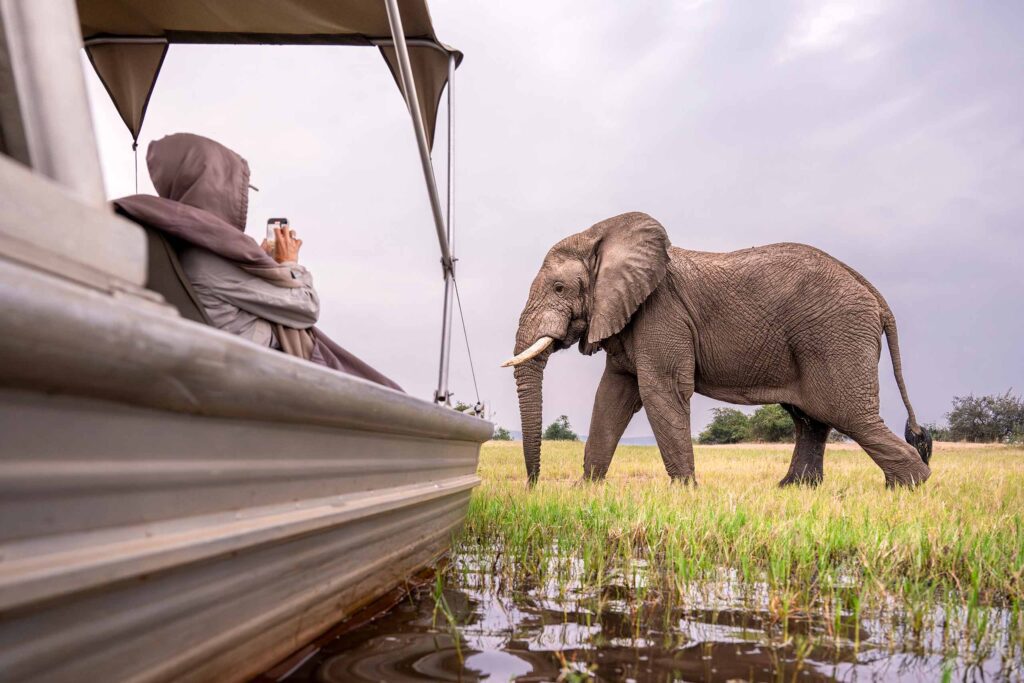
Beyond its savannah plains, Akagera includes a chain of lakes along its eastern boundary, bordering Tanzania, supporting a substantial hippo and crocodile population and a boat cruise on Lake Ihema, the only such activity available in any Rwandan national park. This wetland habitat adds a genuinely different dimension to the park beyond conventional game drives.
A Model for Public-Private Conservation Partnership
Akagera’s turnaround is frequently cited as a model for how conservation partnerships can work at scale: African Parks, a non-profit organisation that manages protected areas across the continent on behalf of national governments, took over Akagera’s management jointly with the Rwanda Development Board in 2010, bringing dedicated anti-poaching funding, fencing along the park’s boundary to reduce human-wildlife conflict, and a long-term reintroduction strategy that has proceeded in careful, well-sequenced stages rather than all at once.
This structured approach is part of why species reintroductions here, lion, then black rhino, then an expanded white rhino population, have each been timed to follow measurable improvements in the park’s security and habitat conditions.
Where Akagera Fits on a Rwanda Itinerary
Akagera sits in Rwanda’s eastern region, near the Tanzanian border, roughly two to two and a half hours by road from Kigali, making it considerably more accessible from the capital than Nyungwe.
Its position on the opposite side of the country from Volcanoes National Park means a dedicated transfer is required to combine both parks, though the drive itself is manageable within a single day.
| From | Approx. Distance / Time | Notes |
| Kigali International Airport | 2 – 2.5 hours by road | The most accessible of Rwanda’s major parks from the capital. |
| Volcanoes National Park | 5 – 6 hours by road | Best linked via Kigali rather than a direct cross-country route. |
| Nyungwe Forest National Park | 6 – 7 hours by road | A considerable distance; best planned as a separate leg via Kigali. |
When to Visit
| Season | Months | What to Expect |
| Dry Season | June – September, December – February | Best game viewing as wildlife concentrates near remaining water, easier road conditions. |
| Wet Season | March – May, October – November | Lush scenery and strong birding, though wildlife disperses more widely across the park. |
For travellers prioritising the strongest possible Big Five sightings, the dry season windows offer a genuine advantage, as thinning vegetation and concentrated water sources improve visibility considerably. Akagera remains workable and rewarding in the wetter months, particularly for birders, though patience becomes more important as wildlife spreads across a wider area.
Budgeting for Akagera
Akagera is one of the more affordable parks on a Rwanda itinerary, with park entry fees considerably lower than the country’s primate trekking permits. Game drives, whether day or night, and the Lake Ihema boat cruise are priced as modest, separate activity fees rather than requiring an expensive standalone permit system.
| Tier | Approx. Cost (per person/night, full board) | What You Get |
| Budget | US$60 – 140 | Community campsites and simple lodges, basic but functional facilities. |
| Mid-Range | US$180 – 320 | Established lodges with en-suite rooms and included game drives. |
| Luxury | US$400 – 800+ | Higher-end tented camps with strong views over the park’s lakes and plains, and more flexible private guiding. |
Given Akagera’s role as a genuine but secondary highlight on most Rwanda itineraries, we generally suggest a comfortable mid-range stay here, reserving the largest accommodation spend for Volcanoes National Park specifically.
Where to Stay
- Magashi Camp, a luxury tented property on the shores of Lake Rwanyakazinga, offering strong wildlife viewing directly from camp alongside private guided drives.
- Ruzizi Tented Lodge, a solid mid-range option near Lake Ihema, well positioned for the boat cruise and central game drive circuits.
- Akagera Game Lodge, offering comfortable mid-range rooms with sweeping views over the park’s plains.
- Community campsites near the park’s southern gate, a budget-friendly option for self-drive or cost-conscious travellers.
Activities Inside the Park
- Day game drives covering the park’s savannah plains, the most productive way to see lion, elephant, buffalo, and giraffe.
- Night game drives, revealing leopard and other nocturnal species rarely seen during the day, a genuine rarity in the region.
- The boat cruise on Lake Ihema, offering strong hippo and crocodile sightings alongside excellent birding.
- Guided walks and fishing excursions arranged through select lodges for travellers wanting activities beyond vehicle-based drives.
- Birding throughout the park’s lake and papyrus swamp habitat, a strong complement to the classic savannah checklist.
Fencing and Community Coexistence
A perimeter fence, completed around Akagera’s boundary in the years following African Parks’ involvement, plays a significant, if less visible, role in the park’s recovery, reducing conflict between wildlife and the farming communities living directly along its edge. This fencing is part of why species reintroductions here have proceeded with fewer of the human-wildlife conflict incidents that have complicated similar efforts elsewhere in the region, and it is a detail worth mentioning to clients with a genuine interest in how conservation recovery stories actually get built, rather than simply enjoyed as a finished result.
Planning Advice
- Book both a day and a night game drive if possible, since the two reveal genuinely different sets of species and Akagera is one of the few parks in the region offering both.
- Set realistic expectations around Big Five sightings, since lion and rhino populations remain part of an actively developing recovery rather than a long-settled ecosystem.
- Combine the Lake Ihema boat cruise with a game drive on the same day, since both are commonly based from the same central lodges.
- If chasing the low-season gorilla permit discount, plan genuine multi-night time at Akagera specifically, since a token stop will not qualify.
- Consider the dry season windows if maximum wildlife visibility is your priority, though Akagera remains rewarding year-round, particularly for birders.
Who Akagera Suits Best
| Traveller Type | Recommendation |
| Traveller wanting a complete Rwanda circuit | Excellent fit; Akagera is what makes a full gorillas-chimps-Big Five itinerary possible within one country. |
| Conservation-minded traveller | Particularly rewarding given the park’s genuinely compelling, ongoing species recovery story. |
| Traveller chasing the low-season gorilla permit discount | Should plan genuine time at Akagera specifically to help qualify for the reduced rate. |
| Traveller prioritising the highest possible predator density | Better served by Kenya’s Maasai Mara or Tanzania’s Serengeti, given Akagera’s still-developing wildlife density. |
| Birder | Strong candidate given the park’s lake and papyrus swamp habitat alongside classic savannah species. |
| Family or first-time Africa safari traveller | Well suited, given the park’s accessible distance from Kigali and straightforward game drive logistics. |
Frequently Asked Questions
Are all Big Five species present at Akagera?
Yes, lion, leopard, elephant, buffalo, and both African rhino species are present, though sightings are not guaranteed on any single visit given the park’s still-developing wildlife density following recent reintroductions.
When were lions and rhinos reintroduced to Akagera?

Lions were reintroduced from South Africa in 2015 after a roughly twenty-year absence. Black rhino followed in 2017, and a further seventy white rhinos were relocated to the park in May 2026, marking a significant expansion of the park’s rhino population.
How far is Akagera from Kigali?
Roughly two to two and a half hours by road, making it the most accessible of Rwanda’s major parks from the capital.
Can I do night game drives at Akagera?
Yes, and this is a genuine rarity among East Africa’s major savannah parks, offering a chance to see leopard and other nocturnal species rarely encountered during daytime drives.
Is Akagera worth visiting if I am only interested in gorilla trekking?
If gorillas are truly your only interest, Akagera is not essential. But for travellers wanting a complete Rwanda experience or chasing the low-season gorilla permit discount specifically, it becomes a genuinely worthwhile and distinct addition.
What is the best way to see Akagera’s lakes?
The boat cruise on Lake Ihema, the only such activity available in any Rwandan national park, offering strong hippo, crocodile, and bird sightings from the water, and a genuinely relaxing contrast to the more active pace of a vehicle-based game drive.