Is Uganda the Right Safari Destination for You?
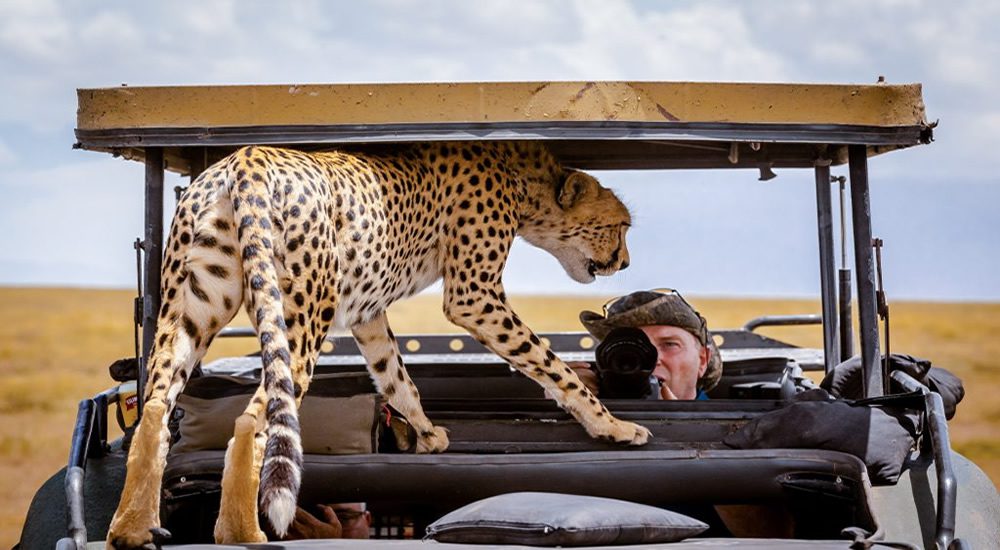
Uganda suits travellers who want primates, landscape variety, and a less crowded safari experience over sheer predator density and open-plains drama: its signature draw, mountain gorilla trekking in Bwindi, is genuinely unique, but the country’s savannah parks, while good, do not match the wildebeest migration or predator concentration of the Maasai Mara or Serengeti. Travellers whose primary goal is classic Big Five game viewing with the highest possible predator density are often better served starting in Kenya or Tanzania and adding Uganda for gorillas as an extension, rather than building an entire trip around Uganda’s savannah alone.
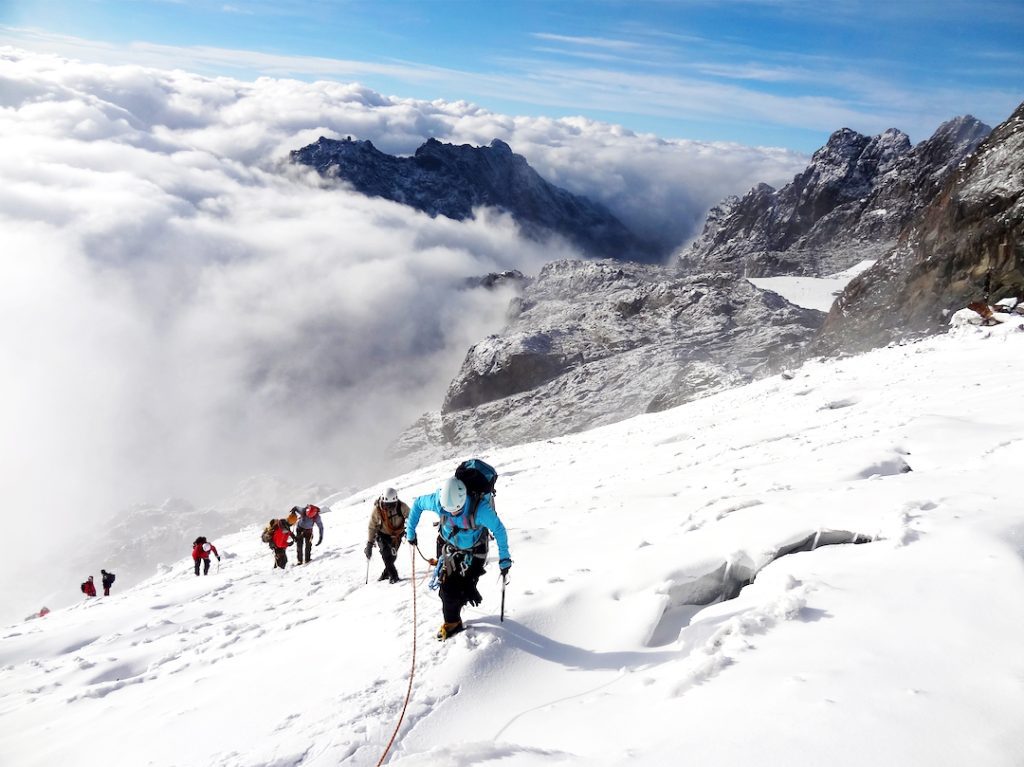
Where Uganda has no real competitor is in primate diversity. Gorilla trekking in Bwindi and Mgahinga, chimpanzee tracking in Kibale, Kyambura Gorge, and Budongo Forest, and golden monkey trekking in Mgahinga together give travellers a primate-focused itinerary unmatched anywhere else on the continent. Add genuinely dramatic scenery, the Nile bursting through Murchison Falls, glaciers rising from equatorial rainforest in the Rwenzoris, and a savannah circuit at Queen Elizabeth that still delivers tree-climbing lions and strong birdlife, and the case for Uganda becomes less about any single headline attraction and more about breadth.
We are candid that Uganda rewards travellers with slightly more time than a rushed five-day trip allows. Because road transfers between parks run several hours, and because gorilla trekking alone benefits from a buffer day for scheduling flexibility, we generally recommend a minimum of eight to ten days for a first Uganda safari that includes gorillas and at least one savannah park, rather than trying to compress everything into a week.
What Makes Uganda Worth the Trip
Primates, at a Density Found Nowhere Else
Uganda holds roughly half the world’s remaining mountain gorillas, alongside chimpanzee populations tracked daily across four separate sites, and the country’s golden monkey trekking in Mgahinga. No other single country offers this breadth of primate encounters within a single, connected itinerary.
The Nile at Its Most Dramatic
At Murchison Falls, the entire Victoria Nile is forced through a gap barely seven metres wide before dropping into a churning gorge, one of the most visually striking single features on any African safari circuit, and a boat cruise beneath it delivers strong hippo, crocodile, and elephant sightings along the way.
A Genuinely Varied Landscape
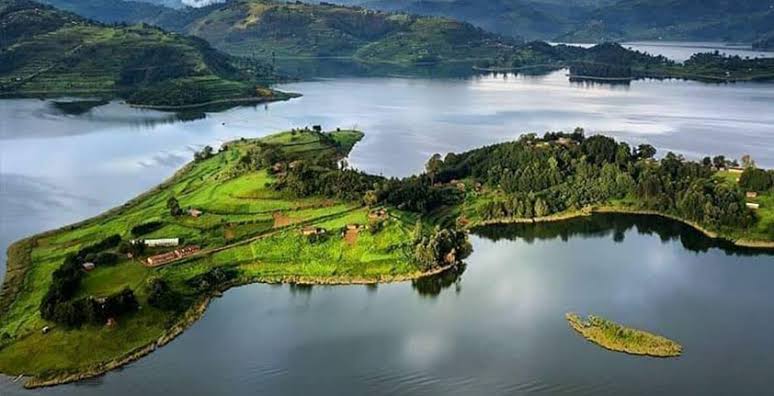
Within a week, a Uganda itinerary can move from the dense montane rainforest of Bwindi, to the open savannah of Queen Elizabeth or Kidepo, to the glaciated, afro-alpine terrain of the Rwenzoris, a range of ecosystems that few single countries in East Africa can match without long internal flights.
Lower Visitor Density
Outside gorilla trekking’s naturally capped permit system, Uganda’s parks see meaningfully fewer vehicles than Kenya’s or Tanzania’s most famous reserves. Travellers who have found the Mara’s vehicle congestion during peak wildebeest season frustrating often describe Uganda’s savannah parks as a welcome contrast, even if overall predator density is lower.
Choosing Your Uganda Circuit
Most first-time itineraries build around one of two core circuits, both anchored by gorilla trekking but differing in which savannah and primate experiences they add.
Circuit | Core Stops | Best For |
Southwestern Classic | Entebbe, Bwindi, Queen Elizabeth, Kibale | First-time visitors wanting gorillas, chimpanzees, and savannah game viewing in one efficient loop. |
Northern & Western Extended | Entebbe, Murchison Falls, Kibale, Queen Elizabeth, Bwindi | Travellers with ten or more days wanting to add Murchison’s falls and northern savannah to the classic circuit. |
Primate-Focused | Entebbe, Bwindi, Mgahinga, Kibale | Travellers whose main interest is primates specifically, adding golden monkeys alongside gorillas and chimps. |
Off-the-Beaten-Path Extension | Add Kidepo Valley, Mount Elgon, or Semliki | Repeat visitors or those with two weeks or more wanting Uganda’s more remote and specialised parks. |
Each of these circuits deserves its own detailed planning, and we have written dedicated guides for every major destination Uganda offers; this page is meant to help you choose which combination fits before diving into that detail.
When to Go
Season | Months | What to Expect |
Long Dry Season | June – August | The most popular trekking and game-viewing months, firmest trails, highest lodge and permit demand. |
Short Dry Spell | December – February | Similarly strong conditions, slightly less crowded than the June–August peak. |
Wetter Months | March – May, September – November | Lush scenery, stronger birding, muddier trails on gorilla and mountain treks, generally lower prices and availability. |
Gorilla and chimpanzee trekking remain viable in every month of the year, since tracking does not depend on dry conditions the way savannah game viewing does. The dry season windows matter most for travellers prioritising easier trekking terrain and classic savannah game drives; birders and budget-conscious travellers often do very well choosing the wetter months instead.
Budgeting for a Uganda Safari
Uganda’s cost structure differs from Kenya’s or Tanzania’s in one important respect: gorilla permits function as a fixed, separate cost regardless of how modestly or luxuriously you travel otherwise. Beyond that permit, accommodation and logistics scale across three broad tiers.
Tier | Approx. Cost (per person/day, excluding permits) | What You Get |
Budget | US$150 – 250 | Community guesthouses, simple lodges and campsites, shared vehicles or public transport where feasible. |
Mid-Range | US$300 – 500 | Established lodges with en-suite rooms, private guided game drives, and comfortable transfers between parks. |
Luxury | US$600 – 1,200+ | High-end lodges and tented camps, private guiding throughout, and more flexible, personalised scheduling. |
Gorilla permits, currently around 800 US dollars per person for standard trekking, sit outside this daily rate entirely and should be budgeted as a fixed line item regardless of which tier you choose for the rest of your trip.
Getting to Uganda
Entebbe International Airport, roughly forty-five minutes to an hour and a half from central Kampala depending on traffic, handles the overwhelming majority of international arrivals and is where nearly every Uganda itinerary begins. Direct flights connect Entebbe to major hubs in Europe, the Middle East, and elsewhere in Africa, with onward connections from North America and beyond typically routing through Amsterdam, Doha, Dubai, or Addis Ababa. Most nationalities require a visa, obtainable in advance through Uganda’s online e-visa portal, a straightforward process best completed at least a few days before departure rather than left until arrival.
A yellow fever vaccination certificate is generally required for entry, and malaria prophylaxis is standard practice given the country’s malaria risk outside its higher-altitude mountain areas. We recommend confirming current entry and health requirements with a travel health provider closer to your departure date, since these are periodically updated and worth checking fresh rather than relying on prior trips or general knowledge.
Frequently Asked Questions
How many days do I need for a Uganda safari?
A minimum of eight to ten days allows a comfortable combination of gorilla trekking and at least one savannah park without rushing between long road transfers. Shorter trips of five to six days are possible but generally mean choosing gorillas or a savannah park, not comfortably both.
Is Uganda better than Kenya or Tanzania for a first African safari?
It depends on priority. Uganda is unmatched for primate diversity and offers genuinely varied landscapes, but its savannah parks do not match Kenya’s or Tanzania’s predator density or the scale of the wildebeest migration. Many experienced safari travellers visit Uganda specifically as a primate-focused addition to, rather than a replacement for, an East African circuit.
Do I need to book gorilla permits far in advance?
Yes, particularly for June to August or December to February travel, when four to six months’ advance booking is standard given limited daily permit allocations across Bwindi’s sectors.
Is Uganda safe for travellers?
Uganda’s main safari circuit, including all the parks covered in our guides, sees a steady and well-established flow of international visitors, and the tourism infrastructure around these routes is mature. As with any international trip, standard travel precautions and up-to-date guidance from your government’s travel advisory are worth checking before departure.
What vaccinations or health precautions do I need?
Yellow fever vaccination is generally required for entry, and malaria prophylaxis is standard practice given the country’s malaria risk outside the higher-altitude mountain areas. We recommend confirming current requirements with a travel health provider closer to your departure date, since guidance is periodically updated.
Can I combine Uganda with Rwanda or Kenya on the same trip?
Yes, this is common. Uganda’s southwest sits close to the Rwandan border, making a combined gorilla trekking circuit across both countries straightforward, and Entebbe’s international connections make onward travel to Kenya or Tanzania reasonably convenient.
Do I need to book everything through one operator?
It is not strictly required, but it is generally more efficient. Coordinating gorilla permits, park entry fees, accommodation, and transport across multiple independent bookings introduces genuine risk of scheduling conflicts, particularly around fixed permit dates, that a single coordinated itinerary avoids.